Certified Public Accountant Fort Worth Alternative.The half penny on a receipt in Fort Worth.
Two of the pieces on a local receipt are each half of one percent. They are the easy pieces to drop, and they are why this page exists. Name the piece.
Name the notice.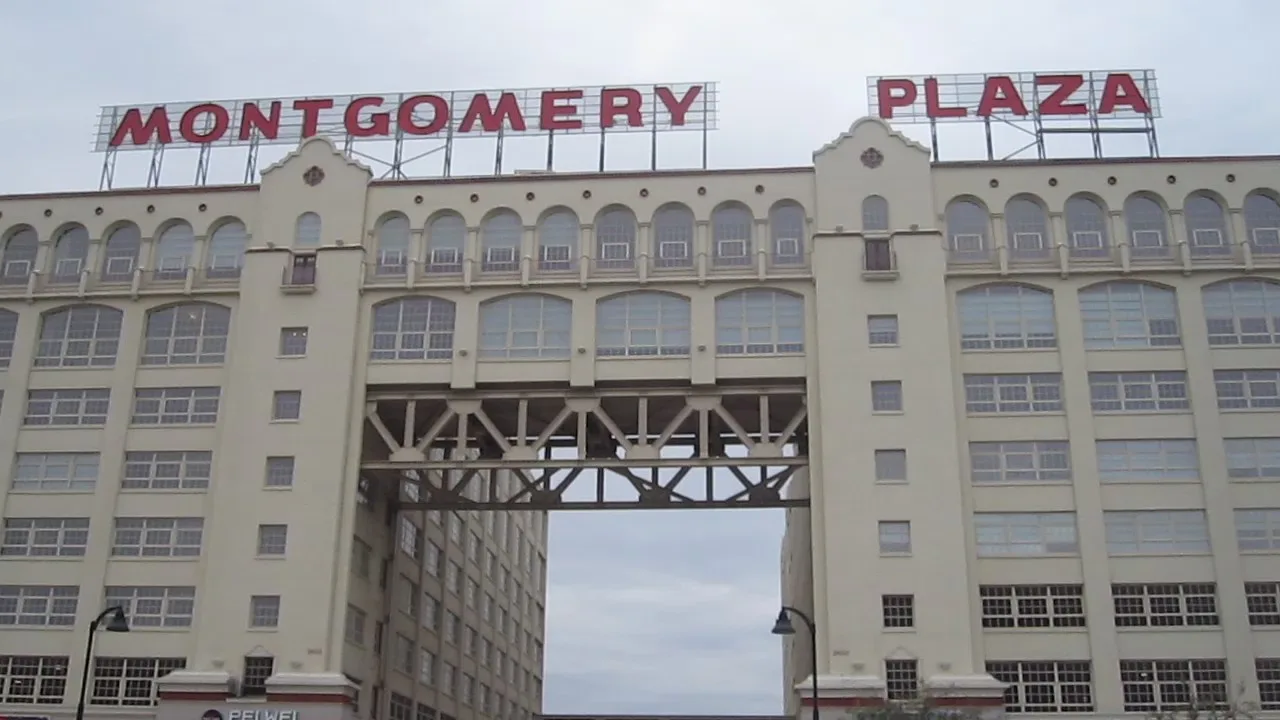
The four pieces on one receipt.
A receipt in Fort Worth can carry the state 6 point 25 percent, the city 1 percent under code 2220031, the crime control half of one percent under code 5220503, and the transit half of one percent under code 3220996. Added, the customer pays 8 point 25 percent.
Where the city line crosses Parker County the city code is 6184605. Where it crosses Wise County the city code is 6249608. The half penny pieces still have to be named. A mailing label is a poor way to pick the code.
The sales return leaves on the 20th. A quiet month still leaves. A thin return we can stand behind beats a gap we would have to defend after the notice lands.
The Comptroller table that holds these codes was open on 28 September 2026. If a code moves, the sentence moves with it after you call.
The school levy and the county line.
Fort Worth ISD covers about 64 point 71 percent of the blocks in the city. The 2025 total on that levy was 1 point 0291 per 100 dollars, with maintenance and operations at 0 point 7869 and interest and sinking at 0 point 2422.
Tarrant County covers about 98 point 24 percent of the blocks, and the county rate we read was 0 point 1862 per 100 dollars. Those figures were on the appraisal tables open the same day, 28 September 2026.
A shop does not choose its school district by the team the owner prefers. The block chooses it. We read the block before a rendition or a property question goes out.
Two dates that share a season.
In the report years 2026 and 2027, revenue at or under 2,650,000 dollars owes no franchise tax. Past that line, the retail and wholesale rate is 0 point 375 percent, and the rate for every other trade is 0 point 75 percent. The report is due on 15 May, from a year that has already closed.
The business-property list is ordinarily due on 15 April. A written request mailed before that April date moves the list to 15 May. You sign the list. The figures are taken from accounts the books already hold. A guess the week the list is due is a poor source.
A Saturday on West 7th.
Montgomery Plaza on West 7th is a Saturday stop we will make with you, and a shopping afternoon still has to land in the month the sale was rung, not the month the deposit cleared.
That is the wink back to the half penny. The plaza can be full and the receipt can still be booked short if someone kept only the state slice. The close is where the other three pieces get their names back.
What a short receipt does to a month.
Think of goods rung at one hundred dollars. The state piece is 6 point 25 percent, the city piece is 1 percent, and the two half penny pieces together are another 1 percent. The customer paid 8 point 25 percent on top. If the books keep only the state piece, the other two percent sit in sales as if the shop earned them. The close pulls those two percent back out and gives each piece its own name before the return leaves on the 20th.
A quiet month still has a return. A shop that skips a thin month because the total looks small is how a later notice gets its date. We would rather file the thin one from the tape we already have than rebuild the month from memory after the notice arrives.
Where the city line crosses another county, the city code changes. A shop that moved a short distance can keep last year's code out of habit. The total on the receipt can still be right while the report is wrong, because the right money went to the wrong code. We read the code from the place the sale was rung, not from the code that was convenient last year.
How the list and the May report share a season.
The April list and the May franchise report can land in the same season, and they are not the same job. The list is property the business holds, signed by you, built from the accounts already on the books. The report is a tax on margin for a year that has already closed, and for 2026 and 2027 it owes nothing at or under 2,650,000 dollars. Mixing the two in one conversation is how a signature gets promised for the wrong page.
We keep them in separate notes on this page for that reason. The school levy is a third note. It follows the block, not the team an owner prefers, and the figures we printed were the ones on the appraisal tables open on 28 September 2026. If a table moves, the sentence moves after you call, not before.
The envelopes on the home page are the short version of these same pieces. This page is the longer reading, with the codes, the school share of the blocks, and the day the tables were open. Bring the receipt that worried you. We would rather name the missing piece while the month can still change than explain it after the return has copied the short number.
What we will not sign.
Read the limit on disclosures.
Assurance reports leave this practice unsigned. If the letter names an audit, a review, or a compilation, the first conversation says so and the request goes to a person who can sign it.